
Thoughtful Surgical Care When Your Pet Needs It Most
General surgery includes a variety of procedures that help treat injuries, remove harmful objects, repair physical abnormalities, and diagnose certain medical conditions. Some surgeries can be planned in advance, while others may be needed more urgently based on your pet’s condition.
At Lovejoy Veterinary Hospital & Urgent Care, we provide general surgery for pets in Boston with a focus on safety, comfort, and clear communication. Our team takes time to explain your pet’s diagnosis, treatment options, and what to expect throughout the surgical process.

General Surgical Procedures We Provide
- Wound and Laceration Repair: Deep cuts, bite wounds, and other injuries often need thorough cleaning, careful closure, and pain relief to heal properly and to prevent infection. A bite wound in particular can look small on the surface while hiding damage to the tissue underneath, so prompt evaluation is important. Depending on the wound, treatment may include flushing, removal of damaged tissue, drains, layered closure, and antibiotics when indicated.
- Foreign Object Removal: Dogs and cats sometimes swallow objects such as socks, toys, corn cobs, bones, hair ties or string. These items can block the digestive tract or injure the intestines, and they often need to be removed surgically. Warning signs include repeated vomiting, loss of appetite, abdominal pain, lethargy, and straining to pass stool. Linear objects such as string are especially dangerous for cats, so please call us promptly if you suspect your cat has swallowed one.
- Hernia Repair: A hernia occurs when tissue pushes through a weak spot or opening in the body wall. Some small hernias are repaired at the time of spay or neuter, while others need timely surgery to prevent organs from becoming trapped or damaged.
- Biopsies and Tissue Sampling: When an examination or imaging reveals a concern, a biopsy can provide a definitive diagnosis and guide treatment. Samples are sent to a veterinary pathologist for review, and we explain the findings and options once results are available.
Choosing the Right Treatment Approach for Your Pet
Before recommending surgery, the veterinarian will perform a thorough examination and may suggest diagnostic testing such as bloodwork or imaging. These evaluations help determine the cause of your pet’s condition and whether surgery is the most appropriate option.
The veterinary team will discuss available treatment choices, including non-surgical options when appropriate, along with the expected benefits, risks, and costs. The goal is to help you make an informed decision that supports your pet’s health and well-being.
Supporting Your Pet Through Recovery
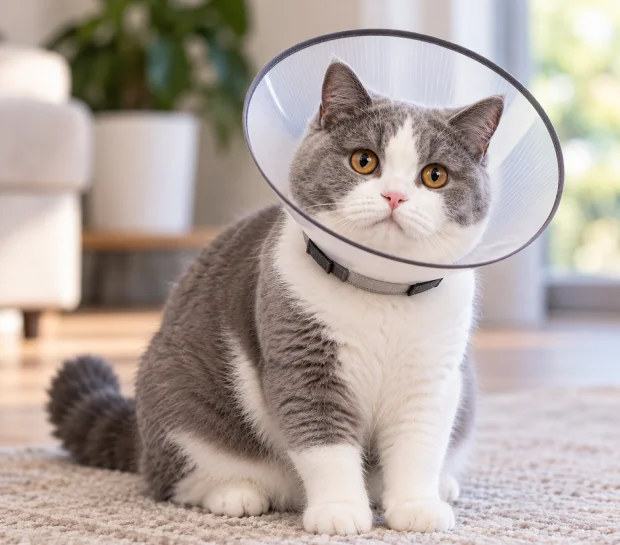
Recovery after general surgery depends on the type of procedure performed and your pet’s individual needs. Most pets require a period of rest, activity restrictions, incision monitoring, and prescribed medications during healing.
Your veterinary team will provide detailed aftercare instructions and explain when follow-up visits or suture removal may be needed. Contact your pet’s veterinarian if you notice swelling, discharge, bleeding, vomiting, loss of appetite, or changes in your pet’s energy level during recovery.
Schedule Your Pet’s Surgical Consultation
Lovejoy Veterinary Hospital & Urgent Care provides surgical care for dogs and cats in Boston’s North End and nearby communities, including the West End, Bulfinch Triangle, and Charlestown. Whether your pet needs treatment for an injury, diagnostic procedure, or another surgical concern, our team is here to provide guidance and compassionate veterinary support.
Book an appointment with Lovejoy Veterinary Hospital & Urgent Care to discuss your pet’s surgical needs and learn more about available treatment options.