Preventive Surgical Care for a Healthier Future
Spaying and neutering are common veterinary procedures that can support your pet’s long-term health and help prevent unwanted litters. These surgeries are performed under general anesthesia with careful monitoring and individualized pain management to help keep your pet comfortable. At Lovejoy Veterinary Hospital & Urgent Care, we provide spay and neuter surgery for dogs and cats in Boston with a focus on safety, communication, and personalized care. Our team will explain what to expect before, during, and after the procedure so you can feel prepared for your pet’s recovery.

What Spay and Neuter Procedures Involve
- Spay Surgery for Female Pet: A spay procedure involves the surgical removal of a female pet’s reproductive organs, including the ovaries and uterus. The surgery is performed under general anesthesia and is considered a routine procedure, although it requires careful surgical planning and recovery support.
- Neuter Surgery for Male Pet: A neuter procedure, also known as castration, involves removing the testicles of a male pet under general anesthesia. In some cases, such as when a testicle has not descended normally, the procedure may require additional surgical steps. The veterinarian will explain the recommended approach before surgery.
How Spaying and Neutering Can Benefit Your Pet
Spay and neuter procedures can provide several health and behavioral benefits while also helping reduce the number of unwanted litters in the community.
- Benefits for Female Pets: Spaying eliminates the risk of pyometra, a serious infection of the uterus that can become life-threatening. It can also reduce the risk of mammary tumors, especially when performed at an appropriate age. Additionally, spaying prevents pregnancy and eliminates heat cycles.
- Benefits for Male Pets: Neutering eliminates the risk of testicular cancer and may reduce the likelihood of certain prostate-related conditions. Some male pets may also show fewer hormone-related behaviors, such as roaming or urine marking.
- Supporting the Pet Community: Spaying and neutering help prevent unexpected litters and contribute to reducing the number of homeless animals in local communities.
Choosing the Right Time for Spay or Neuter Surgery
The ideal timing for spay or neuter surgery depends on several factors, including your pet’s species, breed, size, health, and lifestyle. Many dogs and cats are sterilized around five to six months of age, while some pets may benefit from a different timeline.
Large and giant breed dogs may require additional consideration because growth patterns can influence the recommended timing. During your consultation, your veterinarian will discuss the most appropriate time for your pet based on their individual needs.
Our Surgical Safety Approach
- Pre-Surgical Exam and Testing: We examine your pet before surgery and recommend pre-anesthetic bloodwork as appropriate. This step helps us confirm that your pet is healthy enough for anesthesia and choose the best medications.
- Monitoring and Pain Control: Your pet’s heart rate, breathing, oxygen level, blood pressure, and temperature are monitored, and pain relief is provided before, during, and after surgery.
- Convenient Add-Ons: Because your pet is already under anesthesia, this can be a good time to discuss a microchip or other minor procedures. Please ask us when you schedule.
Recovery After Spay or Neuter
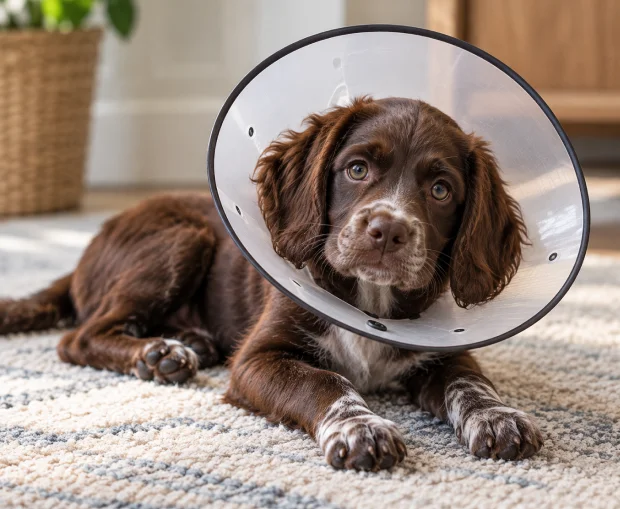
Most pets return to normal activity within about two weeks. During that time, please limit running, jumping, and rough play, and prevent your pet from licking the incision by using an e-collar or recovery suit. Check the incision each day for redness, swelling, or discharge, and contact us if something looks different. We will provide written instructions and pain medication, and we will let you know if a recheck is needed.
Schedule Your Pet’s Spay or Neuter Appointment
Lovejoy Veterinary Hospital & Urgent Care provides spay and neuter surgery for pets in Boston’s North End and nearby neighborhoods, including the West End, Bulfinch Triangle, and Charlestown. Whether you are planning your pet’s first preventive procedure or have questions about timing, recovery, or preparation, our team is here to help guide you through the process.